Proudly serving Phoenix, Scottsdale, Mesa, Tempe, Chandler, Gilbert & surrounding areasCall or Text 24/7: 602-449-0493
Aerial drone view of a suburban neighborhood with terra-cotta roofs and desert landscaping in Phoenix, AZ.

Landscape Maintenance and Yard Care Services for Scottsdale Properties

Phoenix Expert Landscaping provides landscape maintenance across Scottsdale, Arizona, for homeowners, HOAs, and commercial property managers. Our crews handle yard cleanup, lawn care, weed control, tree trimming, shrub and hedge trimming, planting, desert landscaping, rock and gravel landscaping, and irrigation repair. As a licensed and insured landscape contractor, we build weekly, biweekly, or monthly plans around each property's turf, plant palette, and irrigation zones.

Scottsdale's caliche soil, low annual rainfall, and summer temperatures that regularly exceed 110 degrees put constant pressure on turf, trees, desert plants, and drip systems. Monsoon microbursts from July through September can expose weak tree structure, while hard-water mineral buildup can clog emitters hidden under rock. HOA design standards and seasonal water restrictions add another layer to routine yard care. We start with actual site conditions so the service plan fits the property rather than a generic national schedule.

Our crews work across Old Town Scottsdale, McCormick Ranch, Gainey Ranch, DC Ranch, Grayhawk, Silverleaf, Troon, and Kierland-adjacent properties. Request a property walk-through to set the right scope and maintenance frequency for your landscape.

★ ★ ★ ★ ★4.9/5 Average Rating - 20+ Years of Experience - Scottsdale Landscaping Company Specialists - Residential & Commercial
Full-Service Landscaping

Landscape Maintenance Services in Scottsdale, AZ

Scottsdale is home to roughly 241,000 residents, up from just over 217,000 in the 2010 census, and its mix of established neighborhoods and newer desert communities creates very different maintenance needs. Each service below can stand alone or become part of a recurring plan. Property owners comparing desert landscape needs elsewhere in the Valley can also review our Mesa, AZ location page.

Landscape Maintenance

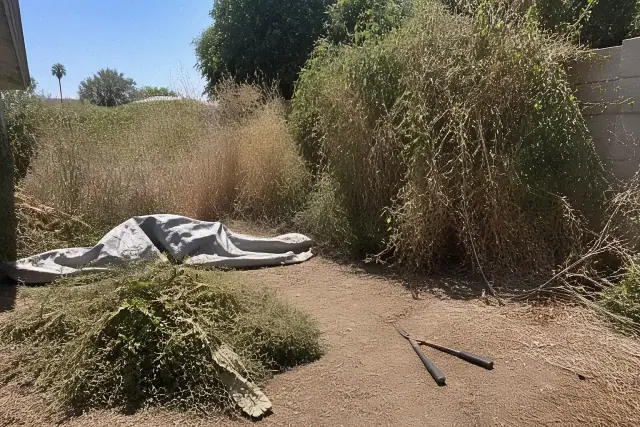
Landscaper clearing overgrown weeds and desert vegetation from a garden corner in Scottsdale, AZ.

Recurring maintenance can combine mowing, edging, blowing, fertilization, weed control, trimming, and irrigation checks according to the property. Visits are logged with mowing height, treatments, trimming, and controller adjustments so the scope stays clear through seasonal changes.

Explore Service

Yard Cleanup

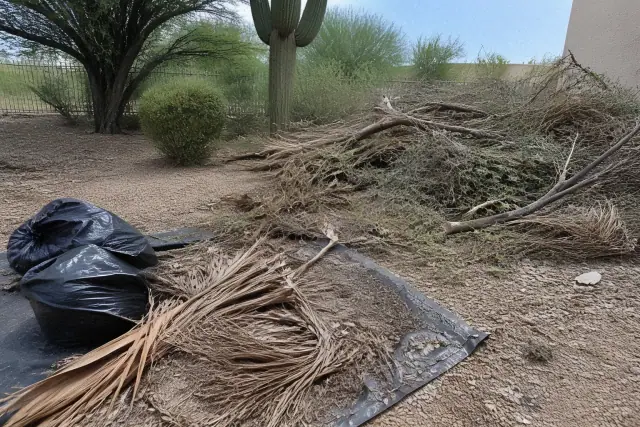
Yard cleanup in progress with organic debris and palm fronds on a tarp in a Scottsdale, AZ desert landscape.

Yard cleanup brings mowing, blowing, weed treatment, and needed trimming together after monsoon activity or during spring and fall transitions. We can scope cleanup for a residential yard, HOA property, or commercial landscape without bundling work the site does not need.

Explore Service

Lawn Care

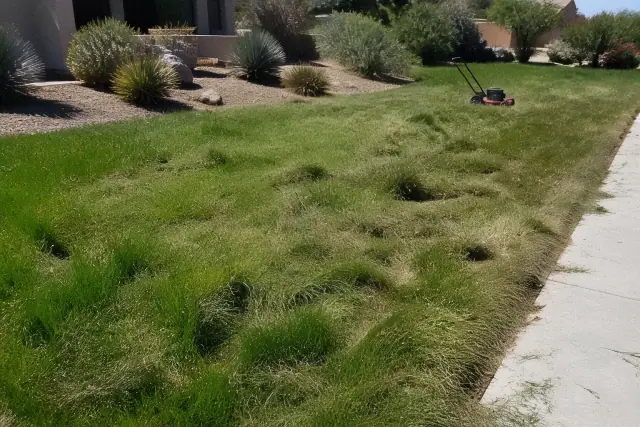
A neglected patch of grass being mowed during a lawn care project in Scottsdale, AZ.

Many Scottsdale lawns cycle between Bermuda grass and winter ryegrass, creating two distinct growing seasons. We adjust mowing height, edging, blowing, and fertilization during spring and fall transitions so summer turf is not cut short enough to scorch its crown.

Explore Service

Weed Control

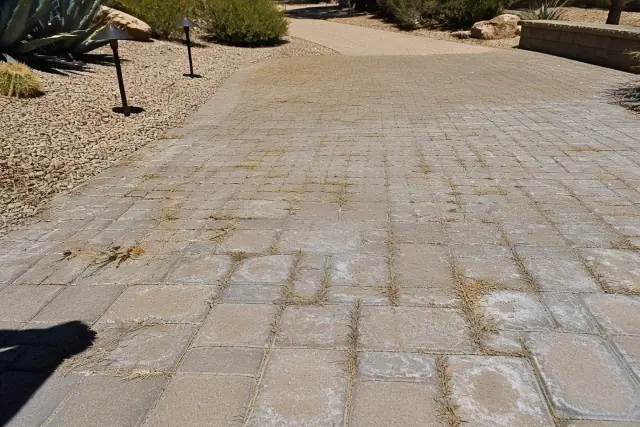
Withered weeds dying between pavers after a professional treatment in Scottsdale, AZ.

Our two-step approach applies pre-emergent ahead of the two major germination windows-late winter and before monsoon season-then uses post-emergent spot treatment as needed. It targets puncturevine, London rocket, and Bermuda grass invading decomposed-granite beds without treating the entire property as one problem area.

Tree Trimming

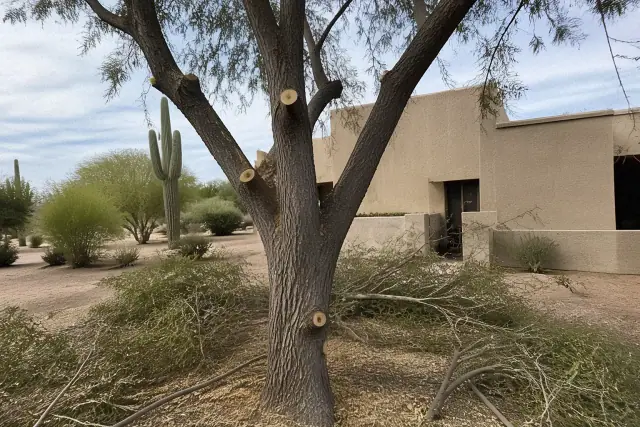
Tree trimming work in progress with branch debris and a saguaro cactus in a Scottsdale, AZ yard.

We structurally prune mesquite, palo verde, and ironwood to reduce wind sail and remove deadwood before monsoon weather. Work follows ANSI A300 pruning standards and avoids over-lifting the crown; crews also handle palm skinning and the citrus maintenance common in older Scottsdale neighborhoods.

Shrub & Hedge Trimming

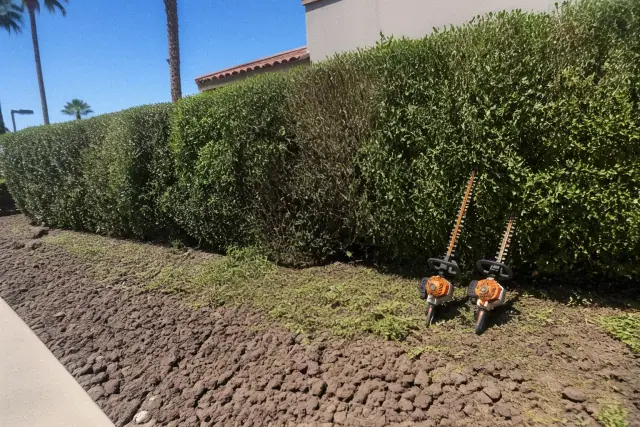
Manual hedge shears resting on a thick, uneven row of bushes during a trimming job in Scottsdale, AZ.

Texas sage, red yucca, and oleander are shaped to their natural form instead of being repeatedly sheared into tight globes. Trimming is timed around bloom cycles for plants such as ocotillo and bougainvillea while keeping growth away from walkways and stucco walls.

Planting Services

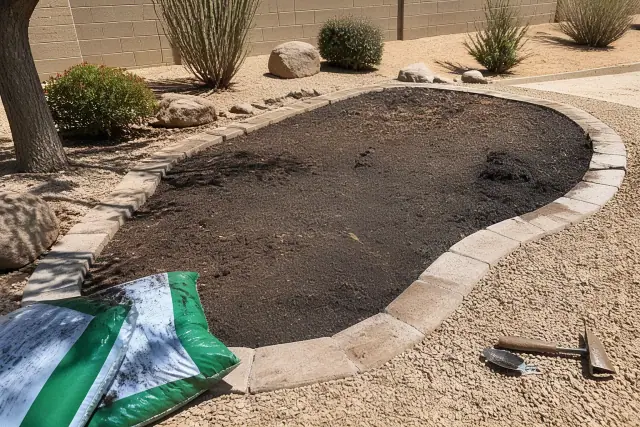
Prepared soil bed with stone edging, mulch, and gardening tools for landscaping in Scottsdale, AZ.

Caliche-heavy soil may require auguring or breaking through hardpan before a healthy root ball can establish. We amend planting holes, set root crowns at grade to reduce collar-rot risk, and establish a watering schedule for the first 60 to 90 days-key details for first-year plant survival.

Desert Landscaping

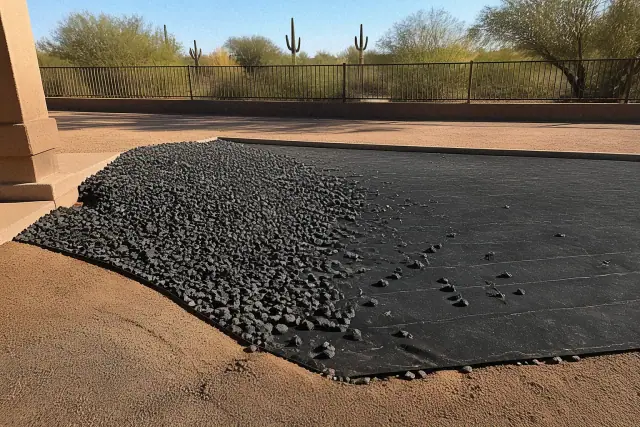
Weed barrier fabric and decorative rock installation in a Scottsdale, AZ landscape project with saguaro cacti.

New and existing xeriscapes can pair low-water plants such as agave, brittlebush, and desert marigold with decomposed granite or crushed rock. We install rock at a proper depth of 2 to 3 inches over weed-barrier fabric and work within applicable HOA plant and color guidelines.

Rock & Gravel Landscaping

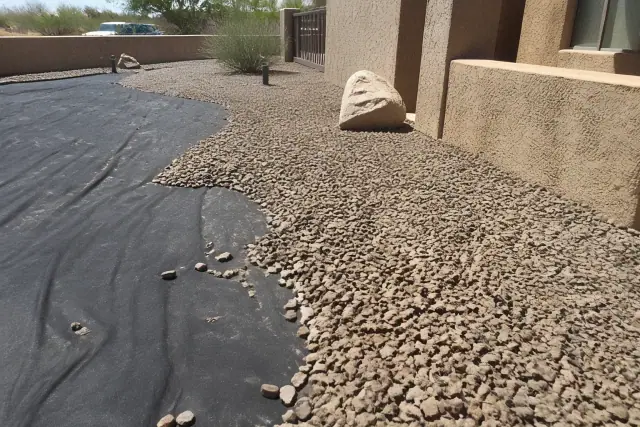
Freshly laid desert gravel landscaping over weed barrier fabric at a residential yard in Scottsdale, AZ.

Decomposed granite, river rock, and rip-rap are selected for the lot's slope and drainage patterns to manage runoff and reduce irrigation demand. Existing gravel beds can be re-leveled and top-dressed after compaction or washout; replenishment is typically needed every 3 to 5 years depending on traffic and monsoon exposure.

Irrigation Repair

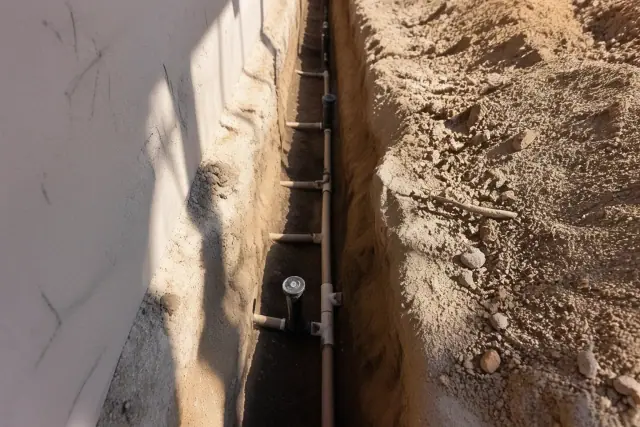
Exposed pipe segments and sprinkler heads in a residential irrigation repair excavation in Scottsdale, AZ.

We inspect valves, replace broken emitters and micro-tubing, clear hard-water mineral buildup, and reset controllers for Scottsdale Water's recommended seasonal schedules and applicable Arizona Department of Water Resources guidance. A single broken drip line can waste hundreds of gallons a month while nearby plants receive too little water.

Service Selection

How to Choose a Scottsdale Landscape Maintenance Plan

The right plan starts with the actual footprint, turf area, plant density, tree structure, irrigation zones, and existing rock beds. Weekly service often fits turf during the growing season, while a mostly desert landscape may be better served on a biweekly or monthly cycle.

Property Walk-Through

Begin with an on-site assessment of turf condition, irrigation zones, tree structure, and rock or planting beds. This produces a scope tied to the property rather than a flat package or phone estimate.

Seasonal Service Frequency

Choose a frequency that changes with the plant mix and growing calendar. Turf can need weekly attention during active growth, while native plants and rock beds may only require biweekly or monthly care.

Documented Service Visits

A clear visit record should show mowing height, chemicals applied, trimming completed, and irrigation adjustments. Documentation makes it easier to track recurring concerns and confirm exactly what was handled.

Desert Plant Knowledge

Look for service decisions grounded in Sonoran Desert conditions rather than humid-climate habits. Palo verde borers, spider mites in dry heat, and root rot where drainage is poor require different diagnosis and care.

HOA-Aware Planning

Communities such as DC Ranch and Grayhawk may regulate plant palettes, rock color, and trim height. A maintenance or planting plan should account for those design standards before changes are made.

Irrigation Checks

Confirm that routine visits include visual irrigation monitoring rather than only cosmetic yard work. Checking emitters, tubing, valves, and controller settings can catch water waste and plant stress before either becomes obvious.

Scottsdale Landscape Challenges

Common Problems for Scottsdale Landscapes

Summer soil-surface temperatures can exceed 150 degrees, while compacted caliche limits drainage and root growth. Add monsoon winds, fast weed germination, mineral-clogged emitters, and HOA requirements, and small maintenance gaps can quickly become larger landscape problems.

Request a Walk-Through

Heat-Stressed Roots

Shallow roots can cook when irrigation timing and mulch or rock depth do not protect them from extreme surface heat. Symptoms call for a review of watering, drainage, planting depth, and species needs rather than simply adding more water.

Monsoon Limb Failure

Dense or improperly lifted canopies catch wind during summer microbursts, increasing the chance of broken limbs. Structural pruning removes deadwood and reduces wind sail without stripping the crown.

Clogged or Broken Drip Lines

Minerals can clog emitters, and exposed poly tubing can crack during even a mild freeze. Because failures are often hidden under rock or mulch, plants may be starved while a break wastes water nearby.

Weeds in Rock Beds

Monsoon rain softens the caliche layer and can trigger fast weed growth through decomposed granite. Timed pre-emergent followed by targeted spot treatment is more useful than repeatedly blanket-spraying the entire yard.

Washed-Out Gravel Beds

Rock that is undersized for a slope can shift during heavy monsoon runoff, leaving thin areas and compacted channels. Matching decomposed granite, river rock, or rip-rap to the drainage pattern helps stabilize the bed before re-leveling and top-dressing.

Planting in Caliche Soil

A planting hole that stops at hardpan can trap water or prevent roots from expanding. Breaking through caliche, amending the hole, and keeping the root crown at grade gives new trees and shrubs a better establishment path.

Why Choose Us

Why Choose Phoenix Expert Landscaping in Scottsdale?

Our licensed and insured crews work with Scottsdale's desert plant palettes, neighborhood design standards, seasonal turf transitions, and irrigation demands. We document visits, flag larger issues before they sit, and carry commercial-grade mowers, pole saws, and common drip-irrigation parts for routine work.

Scottsdale Neighborhood Knowledge

We account for McCormick Ranch plant-change approvals, older Old Town flood-irrigation conditions, and rock-only front-yard covenants found near Grayhawk. Familiarity with these local differences shortens the path from a service request to a useful diagnosis.

Seasonal Watering Calibration

Scottsdale's evapotranspiration rates run higher than most of the country for eight months of the year. We adjust controller run times by season and use shorter durations where compacted caliche would otherwise cause runoff.

Equipped for Routine Repairs

Crews carry drip-irrigation parts alongside commercial-grade landscape equipment, so many routine repairs can be handled during the same visit. Larger issues are identified and discussed before work is added to the maintenance scope.

Simple Process

Our Landscape Maintenance Process in Scottsdale

A four-season maintenance plan should change as turf, trees, weeds, irrigation, and frost-sensitive plants move through Scottsdale's calendar. We assess the property, agree on scope and frequency, document each visit, and adjust when site conditions reveal a larger issue.

01.

Walk the Property

We review turf condition, irrigation zones, tree structure, and existing rock or planting beds. The walk-through also identifies access, slope, drainage, plant mix, and HOA considerations that affect the scope.

02.

Set Scope and Frequency

We define which services belong in the plan and whether weekly, biweekly, or monthly visits fit the property. Pricing is based on the walk-through, lot size, plant density, and required visit frequency rather than a one-size estimate.

03.

Build the Seasonal Schedule

March through May centers on pre-emergent, turf transition, and planting; June through September emphasizes monsoon preparation, cleanup, and irrigation checks. October and November bring overseeding and major shrub trimming, while winter calls for frost protection and exposed-tubing monitoring.

04.

Complete and Record Each Visit

Crews complete the scheduled mowing, edging, blowing, trimming, weed, or irrigation tasks, then log what was done. The record notes details such as mowing height, treatments used, and controller changes.

05.

Flag Larger Issues

A cracked valve, dying tree, or storm-damaged limb is identified before it becomes a more expensive repair. We explain the issue and separate any added work from the normal visit scope.

06.

Adjust the Plan

Visit frequency, mowing height, irrigation run times, and trimming priorities can change as seasons shift. The plan stays tied to visible site conditions instead of repeating the same checklist all year.

Practical Outcomes

Landscape Maintenance Outcomes for Scottsdale Properties

Case Study 1: Seasonal Turf Care: Adjusted mowing, fertilization, and overseed timing help Bermuda and ryegrass move through their transition periods without relying on a fixed year-round routine.

Case Study 2: Healthier Desert Beds: Timed weed control, natural-form shrub trimming, and irrigation checks support low-water plantings while keeping growth off walks and walls.

Case Study 3: Monsoon-Ready Sites: Structural pruning, drainage-aware rock selection, and pre-season irrigation checks reduce avoidable wind, washout, and water-loss problems.

Plan Your Service

Schedule a Scottsdale
Landscape
Walk-Through

Tell us about your turf, trees, planting beds, rock, and irrigation concerns. We will walk the property and scope a maintenance plan around its size, plant mix, and seasonal priorities.

Scottsdale Landscape Help

FAQs About Landscape Maintenance in Scottsdale, AZ

Use these answers to compare service scope, visit frequency, seasonal care, irrigation needs, and pricing for a Scottsdale property. A walk-through is still the clearest way to set the right plan for a specific landscape.

Call Our Experts

A standard visit can include mowing and edging where turf is present, blowing hardscape, weed control in rock and planting beds, shrub and hedge trimming as needed, and a visual irrigation check. Structural tree pruning, valve repair, and planting projects are usually scoped separately because they are not needed on every visit. Completed work is documented so the plan can be adjusted seasonally.

Most turf lawns need weekly mowing during peak growth from roughly April through October and may shift to biweekly service in cooler months. Desert landscapes with rock beds and native plants can often use a biweekly or monthly schedule. Irrigation should be checked at least monthly because heat speeds emitter wear and line failures.

Residential monthly maintenance typically falls between $100 and $300 depending on lot size, plant density, and visit frequency, while annual full-service spending often lands near $3,600. Mowing-only visits commonly range from $50 to $250 based on yard size. An accurate quote requires a property walk-through because turf area, tree count, and irrigation work change the scope.

High evapotranspiration can require more frequent watering than cooler regions, but compacted caliche often calls for shorter durations to limit runoff. Regional hard water also builds minerals inside emitters and micro-tubing. Controller schedules should change seasonally in line with Scottsdale Water conservation guidance rather than run the same program all year.

Late winter before spring growth is a useful window for structural pruning of mesquite and palo verde. A lighter pre-monsoon trim in late spring can reduce wind sail before summer storms, while heavy pruning during peak heat can expose fresh cuts to sun scald and stress. Citrus and palms are assessed on their own timing.

Look for a licensed and insured contractor that can explain desert-climate care, local HOA standards, seasonal turf transitions, and what is included in each visit. Ask whether irrigation monitoring and visit documentation are part of the plan. Phoenix Expert Landscaping walks the property before scoping service instead of relying on a generic quote.

Yes. Phoenix Expert Landscaping serves homeowners, HOAs, and commercial property managers, with each plan scoped to the site's size, plant mix, irrigation zones, and applicable design standards. Commercial-grade equipment supports larger properties, while visit records keep recurring tasks visible.

Pre-emergent is timed before late-winter germination and again before monsoon rain softens the caliche layer. Post-emergent spot treatment can then address puncturevine, London rocket, or Bermuda grass moving into rock beds. This targets active areas without repeatedly over-applying treatment across the property.

Bermuda grass typically goes dormant as winter ryegrass takes over, so mowing height, fertilization, and visit frequency need to change during spring and fall transitions. Cutting summer turf too short can scorch the crown under direct desert sun. The maintenance calendar should follow the active grass rather than use one fixed setting.

Decomposed granite or crushed rock is generally installed at a depth of 2 to 3 inches over weed-barrier fabric in the approach described for these projects. Existing beds commonly need replenishment every 3 to 5 years, depending on foot traffic and monsoon exposure. Slope and drainage also determine whether river rock or rip-rap is more appropriate.

Hardpan may need to be augured or broken before the root ball can establish. Planting holes are amended, and the root crown is set at grade to reduce collar-rot risk. New plants then receive an establishment watering schedule for the first 60 to 90 days.

Mesquite, palo verde, and ironwood are structurally pruned to remove deadwood and thin excessive canopy weight without over-lifting the crown. The work follows ANSI A300 pruning standards and focuses on reducing wind sail before monsoon microbursts. Species and existing structure determine how much trimming is appropriate.

Scottsdale coverage includes Old Town, McCormick Ranch, Gainey Ranch, DC Ranch, Grayhawk, Silverleaf, Troon, Kierland-adjacent properties, the Scottsdale Waterfront, and the Indian Bend Wash Greenbelt area. Extended coverage includes Paradise Valley, Fountain Hills, Tempe, and parts of north Phoenix near the Scottsdale line. Contact us to confirm an address near a service boundary.

Spring focuses on pre-emergent, turf transition, and planting before peak heat, while summer shifts toward monsoon preparation and irrigation performance. Fall brings Bermuda overseeding with ryegrass and larger shrub trims. Winter service watches frost-sensitive bougainvillea and citrus as well as exposed poly tubing.

Crews carry common drip-irrigation parts, so many broken emitters and micro-tubing repairs can be completed during the same visit. Cracked valves, controller issues, or larger failures are flagged and scoped before added work begins. Routine visual checks help uncover hidden leaks under rock or mulch.