Proudly serving Phoenix, Scottsdale, Mesa, Tempe, Chandler, Gilbert & surrounding areasCall or Text 24/7: 602-449-0493
Aerial drone view of a suburban neighborhood with terra-cotta roofs and desert landscaping in Phoenix, AZ.

Landscape Maintenance and Seasonal Yard Cleanup Services in Mesa, AZ

Phoenix Expert Landscaping provides landscape maintenance throughout Mesa, Arizona, for residential and commercial properties. Our crews handle yard cleanup, lawn care, weed control, tree trimming, shrub and hedge trimming, planting, desert landscaping, rock and gravel upkeep, and irrigation repair. We tailor recurring service to turf-heavy yards, low-water landscapes, HOA communities, and commercial sites.

Mesa's dense caliche, triple-digit summer heat, and mineral-heavy water can stress roots, turf, trees, and drip systems. We build schedules around Mesa's growing seasons instead of importing a generic plan from a cooler climate. An on-site walkthrough covers soil condition, irrigation function, plant health, and drainage before we quote the work. Call to discuss a plan that fits your property.

We serve all of Mesa?home to 504,258 residents and Arizona's third-most populous city?as well as Tempe, Chandler, Gilbert, Queen Creek, and Apache Junction. At roughly 1,200 feet in the Sonoran Desert, Mesa requires careful water management and heat-tolerant plant choices.

★ ★ ★ ★ ★4.9/5 Average Rating - 20+ Years of Experience - Mesa Landscaping Company Specialists - Residential & Commercial
Mesa Landscaping Services

Landscape Maintenance Services in Mesa, AZ

Choose weekly, bi-weekly, or monthly care based on turf growth, plant density, irrigation needs, and seasonal conditions. We maintain properties across Mesa and coordinate nearby coverage in Tempe, AZ , Chandler, Gilbert, Queen Creek, and Apache Junction.

Landscape Maintenance

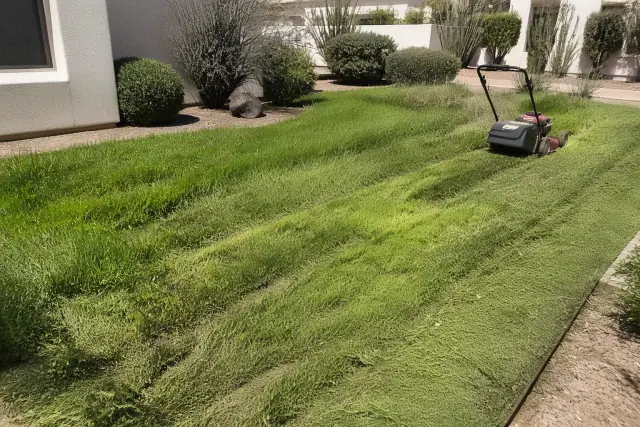
Landscape maintenance work in progress on a suburban lawn with mower tracks and fresh clippings in Mesa, AZ.

Recurring maintenance can combine mowing, edging, fertilization, pruning, weed control, irrigation checks, and seasonal debris removal. Each plan is scoped around the mix of turf, desert plants, rock beds, and trees already on the property.

Explore Service

Yard Cleanup

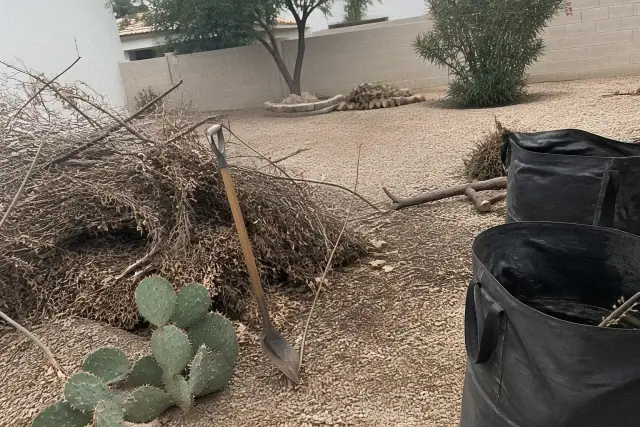
Yard cleanup of debris and organic waste at a property edge in Mesa, AZ.

Seasonal cleanups remove leaf drop, seed pods, dead plant material, and debris left by monsoon storms. Clearing dry buildup also helps reduce fire-hazard material during Mesa summers.

Explore Service

Lawn Care

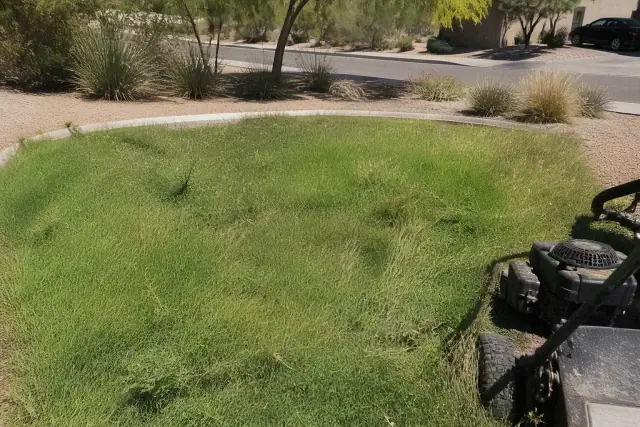
Neglected lawn with uneven grass and weeds at a residential property in Mesa, AZ, under bright desert sunlight.

We mow summer Bermuda at 1 to 1.5 inches and winter overseed ryegrass at 1.5 to 2 inches. Edging, aeration on compacted lots, and seasonally timed fertilization help limit heat stress and scalping.

Explore Service

Weed Control

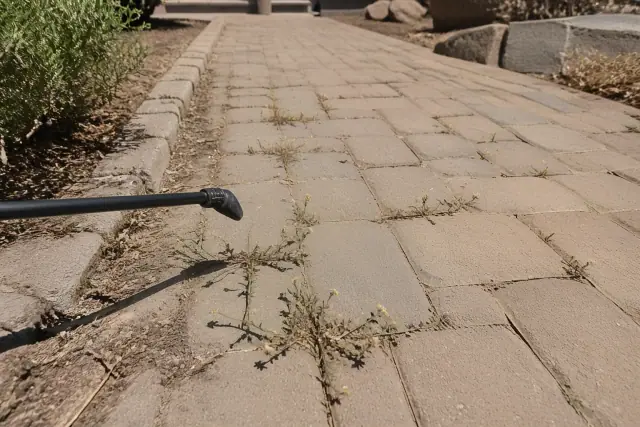
Contractor using a spray wand to treat weeds growing in stone joints in Mesa, AZ.

Bindweed, spurge, and puncturevine spread quickly after July and August monsoon moisture. We apply pre-emergent treatment before spring and fall germination windows, then use targeted post-emergent spot treatment.

Tree Trimming

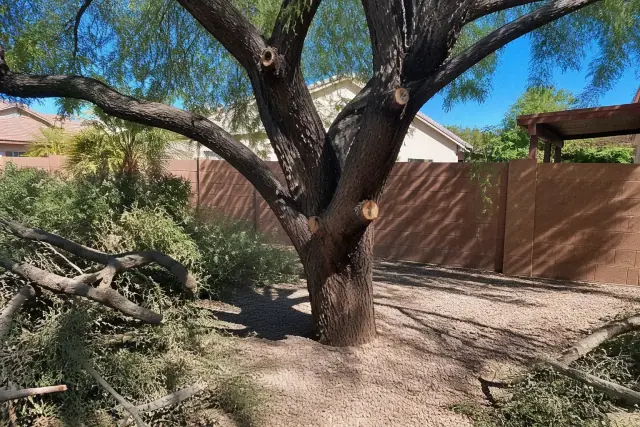
A contractor trimming a large tree in Mesa, AZ, showing cut branches and raw wood limb scars on desert gravel.

Mesquite, palo verde, and citrus each require different cuts and pruning schedules. Tree trimming follows ANSI A300 standards to reduce monsoon wind-throw risk while preserving the natural form of desert-adapted trees.

Shrub & Hedge Trimming

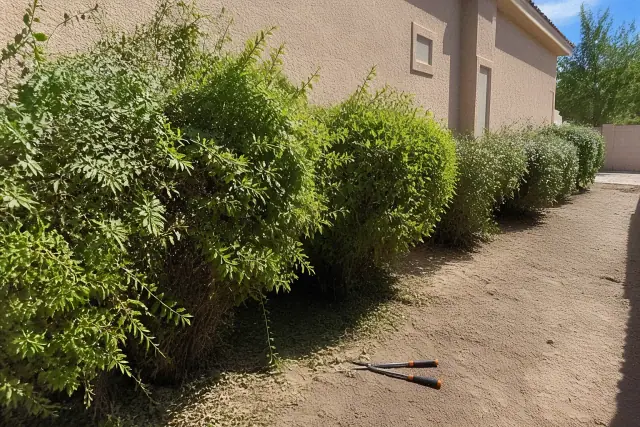
Untrimmed hedge with hand shears on the ground near a stucco wall in Mesa, AZ.

Oleander, Texas sage, and ficus hedges often need shaping every 4 to 6 weeks during the growing season. Timely pruning helps prevent legginess and interior dieback in intense heat.

Planting Services

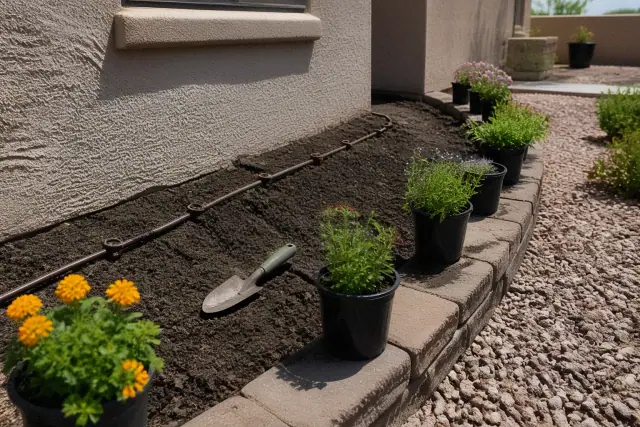
Ornamental plants and a trowel in a prepared soil garden bed during a landscaping project in Mesa, AZ.

Low-water shrubs, groundcovers, and accent trees are selected for Mesa's Zone 9b conditions. We amend backfill and break through restrictive caliche so new roots have a better path to establish.

Desert Landscaping

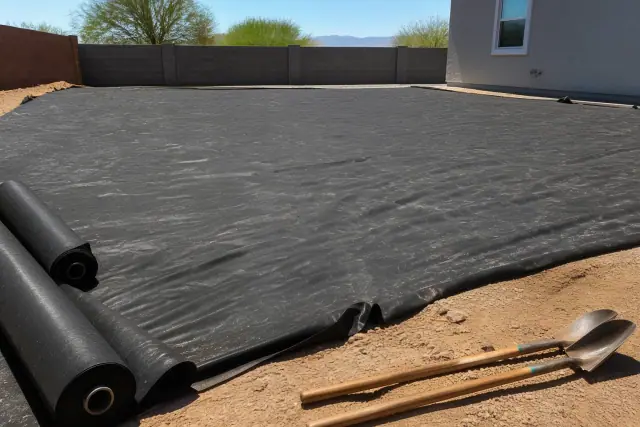
Weed barrier fabric and shovels on a desert landscaping job site in Mesa, AZ.

Desert landscape care includes selective pruning for agave, ocotillo, and barrel cactus, along with soil and drainage checks. The goal is a xeriscape that performs through summer heat, winter rain, and seasonal frost.

Rock & Gravel Landscaping

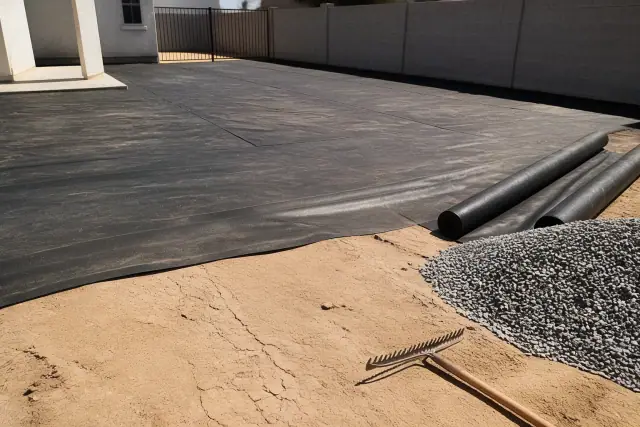
Landscape site in Mesa, AZ featuring weed barrier fabric, a pile of grey granite, and a rake on dirt.

We regrade settled decomposed granite, replenish gravel displaced by monsoon runoff, and reset landscape fabric where weeds are breaking through. Rock and gravel are especially practical in high-heat areas where turf struggles.

Irrigation Repair

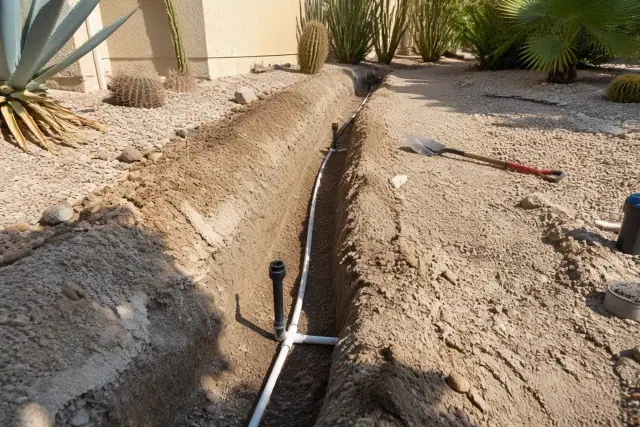
Exposed irrigation trench with pipe and sprinkler heads during a system repair in a Mesa, AZ residential yard.

Mesa's mineral-heavy water can scale drip emitters and valves within a few seasons. We repair broken lines, replace clogged emitters, check pressure, and adjust controller programs for current plant needs.

Plan Selection

Choosing the Right Mesa Maintenance Plan

The right plan depends on turf area, plant density, tree canopy, drainage, irrigation condition, and how quickly the property grows between visits. Compare service frequency, inspection detail, seasonal timing, pricing structure, and the standards used for specialized work.

Match Visits to the Landscape

Turf-heavy yards with mature trees may need weekly summer attention, while a compact rock-and-cactus yard may only need monthly service. Bi-weekly plans often fit properties with moderate growth and recurring upkeep needs.

Assess Caliche and Drainage

Dense caliche can block both root penetration and drainage. A useful maintenance plan should identify compacted areas, settled grades, and planting zones that need aeration, amended soil, or drainage correction.

Check Irrigation Coverage

Irrigation zones should be tested for pressure and coverage, while emitters, valves, tubing, and controller settings are checked for mineral scale or seasonal mismatch. This catches dry spots and overwatering before plant loss becomes widespread.

Plan for Mesa Seasons

Summer heat, monsoon downpours, and occasional winter frost call for different maintenance priorities. Service timing should account for deep watering, shade protection, storm drainage, frost-sensitive plants, and dormant pruning.

Confirm Scope and Pricing

Flat monthly or per-visit quotes make recurring work easier to understand. If an inspection reveals a cracked mainline, failing backflow valve, or work outside the agreed scope, photos and a separate estimate should come before additional repairs.

Verify Standards and Coverage

Phoenix Expert Landscaping carries the appropriate licensing and insurance for the work it performs and can provide documentation on request. Tree pruning follows ANSI A300 standards, while herbicide and pesticide work follows Arizona Department of Agriculture guidelines.

Mesa Landscape Challenges

Common Landscape Problems on Mesa Properties

At about 1,243 feet in the Sonoran Desert, Mesa's unshaded rock beds can exceed 150 degrees at the soil surface and affect root-zone temperatures down to 12 inches. Caliche, low rainfall, mineral scale, monsoon runoff, invasive weeds, and winter frost can all damage a landscape when maintenance ignores local conditions.

Request Yard Assessment

Caliche Compaction

Caliche is a dense calcium carbonate layer that can keep water from draining and roots from penetrating. Compacted planting areas may need careful breakup, soil amendment, or aeration rather than more surface watering.

Extreme Heat and Low Rainfall

Average summer highs above 104 degrees combined with less than 9 inches of annual rainfall can quickly stress turf and shallow-rooted plants. Watering depth, shade, mowing height, and plant selection all matter under that heat load.

Mineral Scale and UV Damage

Mineral buildup can clog emitters, valves, and controller solenoids, while constant sun degrades exposed poly tubing. Pressure drops and uneven coverage often show up as dry plants beside areas that are being overwatered.

Monsoon Drainage and Washouts

Monsoon season typically runs from July through September, bringing sudden downpours that overwhelm poor grading. Runoff can move gravel and mulch into pool decks, walkways, and block walls.

Fast-Spreading Weeds

Gravel beds and cracked concrete edges give bindweed, spurge, and puncturevine room to spread after monsoon moisture arrives. Preventive timing and targeted spot treatment help control growth without treating the entire yard the same way.

Frost and Seasonal Plant Stress

Low-lying properties near the Salt River bottom can experience winter frost that damages tender citrus and tropical plants. Seasonal care may include frost protection, dormant pruning, and adjusted watering rather than summer routines.

Why Choose Us

Why Choose Phoenix Expert Landscaping in Mesa?

Our approach starts with the property in front of us: its soil, irrigation, plants, drainage, and service goals. We account for local water tiers and Mesa water supplied through Salt River Project allocations and groundwater, along with the low-water conversion practices the city has encouraged for over a decade.

On-Site Property Walkthrough

Every new client receives a walkthrough that reviews soil condition, irrigation function, plant health, and drainage before a plan is quoted. The inspection connects visible symptoms to the maintenance work the property actually needs.

Residential and Commercial Routes

Crews serve homes, office parks, retail centers, HOA common areas, and multi-family properties. Service windows can be coordinated around business hours, and property managers can request certificates of insurance.

Coverage Across Mesa

Coverage extends across Mesa's roughly 138 square miles, from the Salt River Pima-Maricopa Indian Community boundary to the Gilbert and Chandler lines. Routes account for the mature trees and turf of West Mesa, the rock landscapes of East Mesa, and mixed residential and commercial areas to the south.

Clear Service Process

Our Landscape Maintenance Process in Mesa

A practical maintenance plan starts with inspection, moves through a clear quote and calendar, and continues with work matched to the season. Larger irrigation issues are documented before any repair outside the original scope.

01.

Walk the Property

We review soil condition, existing plant health, tree canopy, drainage patterns, and signs of compaction or runoff with you on site.

02.

Test Irrigation Zones

Each zone is checked for pressure and coverage, and controller programming is compared with current seasonal water needs.

03.

Define the Scope

We match the requested services to yard size, plant density, visit frequency, and any HOA or property-management requirements before quoting.

04.

Build the Calendar

The schedule coordinates recurring lawn and general upkeep with seasonal pruning, fertilization, planting, and pre-emergent weed control.

05.

Complete Scheduled Care

Crews use commercial-grade mowers, extension pole saws, and calibrated sprayers to complete the agreed work with clean edges and intentional presentation.

06.

Document Larger Repairs

If we uncover a cracked mainline, failing backflow valve, or another out-of-scope issue, we provide photos and a repair estimate before proceeding.

Residential & Commercial Service

Landscape Maintenance for Mesa Homes & Businesses

Case Study 1: Residential Properties: Service ranges from small front-yard rock beds in Dobson Ranch to half-acre desert-scaped lots in Las Sendas and Red Mountain Ranch, with frequency matched to turf, trees, and plant density.

Case Study 2: Commercial Sites: Office parks, retail centers, and multi-family properties near the US-60 and Loop 202 can schedule consistent edging, weed control, hedge care, and irrigation checks around customer and staff traffic.

Case Study 3: HOA Communities: Maintenance can follow required plant palettes and rock-color matching, with direct coordination through property management when needed.

Schedule Service

Plan Your Mesa
Landscape
Maintenance

Tell us whether you need recurring lawn care, desert and rock upkeep, irrigation repair, or a seasonal cleanup. We will walk the property, define the scope, and provide an estimate based on the yard rather than a generic package.

Mesa Service Help

FAQs About Landscape Maintenance in Mesa, AZ

These answers cover service scope, pricing, scheduling, local conditions, and the maintenance needs of Mesa turf, trees, desert plants, rock beds, and irrigation systems.

Call Our Team

Landscape maintenance typically includes mowing, edging, turf fertilization, shrub and hedge trimming, weed control, irrigation checks, and seasonal cleanup. Phoenix Expert Landscaping can also include tree trimming, desert plant care, and rock or gravel bed upkeep. The quote identifies exactly what each visit covers.

Recurring residential landscape maintenance in Mesa typically runs $100 to $300 per month, depending on lot size, plant density, and visit frequency. Smaller rock-and-desert yards tend toward the lower end, while larger turf-heavy properties tend toward the upper end. Commercial properties are usually quoted per visit or according to square footage and irrigation complexity.

General trade rates often run $50 to $100 per hour depending on crew size and equipment. A two-person crew with commercial equipment can cost $70 or more per hour just to operate, so $100 an hour can be reasonable for specialized tree trimming or irrigation diagnostics. Routine recurring mowing and edging are usually quoted at a flat rate instead.

Basic mowing, trimming, and cleanup do not require an Arizona contractor's license. Irrigation alterations, retaining walls, and grading may fall under Arizona Registrar of Contractors requirements, while pesticide and herbicide work must follow Arizona Department of Agriculture rules. Phoenix Expert Landscaping carries the appropriate licensing and insurance for its scope and can provide documentation on request.

Yard maintenance is the recurring care of an existing property, such as mowing, trimming, weed control, and cleanup. Landscaping is broader and can include planting new beds, adding rock or gravel, and converting turf to xeriscaping. This page focuses primarily on recurring maintenance while the company provides both categories of work.

Bermuda grass usually needs weekly mowing from May through September, while winter ryegrass can often be mowed bi-weekly. Cutting turf too short in summer increases stress and water demand. Blade height is adjusted by grass type and season rather than kept at one setting all year.

Mesa's mineral content can scale emitters, valves, and controller solenoids, while constant sun degrades exposed poly tubing. Many drip systems need emitter replacement or line repair within a few years of installation. Regular pressure, coverage, and controller checks can catch problems before plants die.

Weekly visits often fit turf-heavy yards during active summer growth, while bi-weekly plans suit moderate upkeep and monthly visits can work for lower-maintenance desert or rock landscapes. Seasonal pruning, fertilization, and pre-emergent treatment may follow a separate calendar. The final schedule should reflect the actual plants, irrigation, and growth rate on site.

Most planting and transplant work is scheduled from October through March instead of peak summer. Unshaded rock beds can create extreme root-zone heat, so cooler months give new roots a better establishment window. Plant selection and caliche preparation still matter at any time of year.

Pre-emergent treatment is timed before spring and fall germination windows. Targeted post-emergent treatment addresses bindweed, spurge, puncturevine, and other weeds that appear in gravel or along hardscape edges. Timing becomes especially important after monsoon moisture.

Mesquite, palo verde, and citrus need species-appropriate pruning rather than uniform shearing. ANSI A300 pruning methods can thin problem growth and reduce wind-throw risk while preserving natural form. Timing and cut selection are planned with monsoon exposure in mind.

Caliche is a dense calcium carbonate layer that restricts drainage and root penetration. Water can collect above it and contribute to root rot, while new plants struggle to establish below it. Planting, aeration, and irrigation repairs may require breaking through compacted layers and using amended soil.

Drainage patterns, settled grades, gravel, mulch, and landscape fabric should be checked before and after major storms. Sudden runoff can carry loose material onto pool decks, walkways, and against block walls. Regrading and cleanup help restore both drainage and appearance.

Yes. Residential work includes recurring lawn, desert, rock, tree, and irrigation care, while commercial routes cover office parks, retail centers, HOA common areas, and multi-family properties. Commercial service windows can be coordinated around business hours.

Yes. Agave, ocotillo, barrel cactus, low-water shrubs, decomposed granite, gravel, and landscape fabric all need periodic attention. Selective pruning, drainage checks, regrading, gravel replenishment, irrigation inspection, and weed control keep low-water yards functional and intentional.